
Everything You Didn't Know You Needed to Know About Seeing an Herbalist
Sunday, October 27, 2024
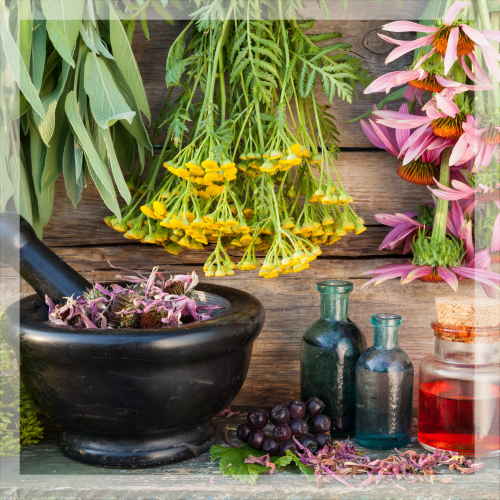
Everything I Didn’t Know That I Needed to Know About Herbalism
When I first decided to seek help from a local herbalist, I wasn’t exactly sure what I was looking for—only that I wanted something different, something natural, to help me manage my health and mental well-being. I had a vague understanding that changes were needed in my life, but how to make those changes and where to begin felt really overwhelming. I was already drawn to the peace and awe that I found in nature, so enlisting someone who could guide me through the natural world of plant-based healing just made sense.
Looking back, this was one of the most transformative decisions I’ve made on my wellness journey.
The Herbalist's Role: A Guide to Nature’s Medicine
Seeing an herbalist gave me relief from guilt and frustration, especially around the way I masked my emotions and challenges with ADHD. Like many, I struggled with emotional regulation, often finding myself carrying around a heavy load of unproductive feelings. The herbalist didn’t promise a quick fix; instead, she encouraged me to see herbalism as an evolving practice—a way of bringing curiosity, compassion, and intentionality into my life. This open-ended approach was exactly what I needed: a framework that offered real-world, adaptable tools without the pressure of rigid expectations.
The First Lesson: Food as Medicine
My herbalist taught me about the profound effects of nourishing the body with the right foods and herbal preparations. This was my first takeaway—using nutrient-dense foods alongside herbal teas and preparations to foster physical healing, thus opening up space for mental and emotional growth. With ADHD, anxiety, or depression, we often underestimate the power of food and plants to make a difference. Yet, as I discovered, quality nutrition can lead to swift, noticeable improvements in mental clarity and overall well-being.
Understanding Herbal Preparations and Their Benefits
Herbalism offers an array of preparation methods, each with its own unique benefits. For those of us with ADHD or emotional regulation issues, understanding how these methods work is essential.
Teas and Infusions
Benefits for ADHD and Anxiety: Herbal teas are some of the gentlest, most accessible ways to experience plant medicine. Herbs like chamomile, lemon balm, and passionflower can help soothe the nervous system, which is often overstimulated in people with ADHD. These herbs, when steeped in a tea, offer a calming effect that can make it easier to settle racing thoughts or intense emotions.
How to Use: Drinking these teas daily, especially during moments of heightened stress, can be grounding and restorative. Herbal infusions—steeping herbs in hot water for a longer period—offer a potent dose of their beneficial compounds.
Tinctures and Extracts
Benefits for Mood and Focus: Tinctures are concentrated herbal extracts that are often taken in small doses. For instance, skullcap and ashwagandha tinctures are renowned for supporting focus and emotional resilience, making them excellent for those of us managing ADHD and stress.
How to Use: A few drops of tincture can be added to water or taken directly under the tongue, providing a quick way to bring a sense of calm and focus when life feels overwhelming.
Adaptogens for Resilience
Balancing the Nervous System: Adaptogens like Rhodiola, holy basil, and licorice root are known for their ability to support the body's response to stress, helping the nervous system find balance. These herbs are especially helpful in managing the long-term effects of stress on the mind and body.
How to Use: Adaptogens can be incorporated into teas, smoothies, or taken as capsules. Over time, they can help regulate cortisol levels and bring a sense of equilibrium, which is valuable for those dealing with ADHD-related fatigue or burnout.
Herbal Oils and Topicals
Sensory Calming: Applying lavender or rosemary oils to the skin can offer sensory grounding and calm overstimulation—a frequent experience for people with ADHD. These oils, absorbed through the skin, can bring both physical and mental relaxation.
How to Use: Simple practices like a relaxing oil massage or a soothing foot rub before bed can ease the mind and prepare it for restful sleep.
Nutrient-Dense Foods for Mental Clarity and Stability
In addition to herbal remedies, my journey with herbalism highlighted the importance of food as a foundational aspect of mental health. When nutrient-dense foods became central to my diet, I saw firsthand how clarity and emotional stability followed.
Omega-3 Fatty Acids: Essential for brain health, omega-3s (found in foods like salmon, chia seeds, and walnuts) support focus, reduce inflammation, and have been linked to improved mood.
Leafy Greens: High in folate, vitamin K, and antioxidants, greens like kale, spinach, and Swiss chard help maintain cognitive function and may reduce symptoms of anxiety.
Fermented Foods: Gut health plays a key role in mental clarity and emotional stability. Fermented foods like sauerkraut, yogurt, and kombucha foster a healthy gut microbiome, which in turn supports a healthy mind.
Complex Carbohydrates: Foods like quinoa, oats, and sweet potatoes provide steady energy and prevent blood sugar crashes, helping to maintain stable moods and mental clarity.
The Mental and Emotional Benefits of Herbalism: There’s No Wrong Way
One of the most beautiful aspects of herbalism is its interpretive, individualized nature. Herbalism invites us to slow down, observe, and experiment. Unlike more conventional approaches, there’s no wrong way to engage with plant medicine. This freedom has been particularly helpful in managing ADHD symptoms and emotional regulation challenges. There’s space for curiosity and flexibility, a concept that is refreshing and grounding for those of us accustomed to rigidity and self-judgment.
Through working with my herbalist, I discovered how connecting with the natural world could inspire awe and wonder, emotions that felt distant during my lowest moments. For ADHDers, this wonder can be grounding and regenerative, helping us reconnect to the earth and our own inner stability.
Moving Forward: Herbalism as a Life-Long Learning Journey
Herbalism has been a transformative addition to my wellness journey, and I’ve only just begun. This post will grow as my knowledge grows, and as I explore and share more recipes, resources, and techniques with you. While I’m not an herbalist, my hope is that by sharing what I’ve learned, I can empower you to explore herbalism as a gentle, adaptable, and forgiving way to manage ADHD, stress, and emotional health.
Nature’s medicine is available to us all, ready to support our body, mind, and spirit in ways we might not even realize we need. And while this is just the beginning, I’m excited to see where this journey leads us.
See other posts like this one
Small Call to Action Headline

Hi, I Am Jane Doe
CEO Of Best Blog Ever
Lorem ipsum dolor sit amet, consectetur adipisicing elit. Autem dolore, alias,numquam enim ab voluptate id quam harum ducimus cupiditate similique quisquam et deserunt,recusandae.
Get Our Best Selling Product!
You just read about this...
Super excited about this product? We are, too! We just wrote this whole blog post that mentions it.
Ready to buy it? Get access to the Product here:
